Imagine a world where cables are a thing of the past—this is the reality wireless system technology is building. From smart homes to global communications, the evolution of system wireless has transformed how we connect, work, and live. Let’s dive into the invisible network shaping our future.





1. Understanding the Core of a System Wireless

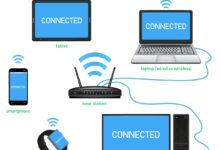
The term system wireless refers to any network or communication setup that transmits data without physical cables. Instead, it relies on electromagnetic waves such as radio frequency (RF), infrared, or microwave signals to send and receive information. These systems are foundational in modern digital infrastructure.
How Wireless Systems Work
At its core, a system wireless converts data into radio signals using a transmitter. These signals travel through the air and are picked up by a receiver, which decodes them back into usable data. This process happens in milliseconds and supports everything from voice calls to high-definition video streaming.
- Data is modulated into radio waves
- Signals are transmitted via antennas
- Receivers demodulate the signal back into data
Key Components of a Wireless System
A functional system wireless isn’t just about sending signals—it requires several integrated components:
- Transmitter: Sends encoded data via RF waves.
- Receiver: Captures and decodes incoming signals.
- Antenna: Enhances signal strength and range.
- Network Interface Controller (NIC): Connects devices to the wireless network.
- Access Point (AP): Central hub that links wireless devices to a wired network.
“The beauty of a system wireless lies in its ability to deliver connectivity without constraints of physical infrastructure.” — IEEE Communications Society
2. Evolution of System Wireless: From Invention to Ubiquity
The journey of system wireless began in the late 19th century with pioneering work by scientists like Guglielmo Marconi, who demonstrated the first long-distance radio transmission. Since then, the system wireless has evolved through multiple generations, each bringing faster speeds, greater reliability, and broader applications.
Milestones in Wireless Communication
Several key milestones have defined the progress of system wireless technology:
- 1895: Marconi’s first wireless telegraphy system.
- 1940s: Development of walkie-talkies during WWII.
- 1983: Launch of the first mobile phone network (1G).
- 1990s: Emergence of Wi-Fi (IEEE 802.11 standard).
- 2000s: Rollout of 3G and 4G networks enabling mobile internet.
- 2020s: Global deployment of 5G and exploration of 6G.
Each leap forward has expanded the capabilities of the system wireless, making it an indispensable part of daily life.
Generational Shifts in Mobile Wireless Systems
The evolution of mobile networks illustrates how system wireless has matured:
- 1G: Analog voice calls with poor security and quality.
- 2G: Digital voice and SMS, introducing basic data (GPRS/EDGE).
- 3G: Mobile internet access, video calling, and mobile apps.
- 4G LTE: High-speed broadband, supporting HD streaming and cloud services.
- 5G: Ultra-low latency, massive device connectivity, and support for IoT and autonomous systems.
Learn more about the history of wireless communication at IEEE.org.
3. Types of System Wireless Technologies in Use Today
Not all system wireless setups are the same. Different technologies serve distinct purposes based on range, bandwidth, power consumption, and application. Understanding these types helps in selecting the right solution for specific needs.
Wi-Fi: The Backbone of Local Wireless Networks
Wi-Fi, based on the IEEE 802.11 standards, is the most common system wireless technology used in homes, offices, and public spaces. It operates primarily in the 2.4 GHz and 5 GHz frequency bands, with newer versions like Wi-Fi 6 (802.11ax) offering improved efficiency and speed.
- Range: Up to 150 feet indoors, longer outdoors.
- Data Rates: Up to 9.6 Gbps with Wi-Fi 6E.
- Applications: Internet access, smart home devices, video conferencing.
Wi-Fi 6 introduces features like OFDMA and beamforming, enhancing performance in crowded environments. For technical details, visit Wi-Fi Alliance.
Bluetooth: Short-Range Device Connectivity
Bluetooth is a low-power system wireless technology designed for short-range communication between devices. It’s ideal for connecting peripherals like headphones, keyboards, and fitness trackers.
- Range: Typically 30 feet (Class 2 devices).
- Data Rate: Up to 3 Mbps (Bluetooth 5.0).
- Applications: Audio streaming, file transfer, IoT sensors.
Bluetooth Low Energy (BLE) has revolutionized wearable tech by minimizing power usage while maintaining reliable connections.
Cellular Networks: Wide-Area Wireless Systems
Cellular-based system wireless technologies like 4G LTE and 5G provide mobile broadband over large geographic areas. These networks are managed by telecom operators and support voice, text, and high-speed internet.
- Coverage: Nationwide and international roaming.
- Latency: As low as 1 ms in 5G networks.
- Applications: Mobile internet, VoIP, remote work, autonomous vehicles.
5G networks are particularly transformative, enabling real-time communication for critical applications like telemedicine and smart cities. Explore 5G advancements at 3GPP.
4. System Wireless in Smart Homes and IoT Ecosystems
One of the most visible impacts of system wireless technology is in the rise of smart homes and the Internet of Things (IoT). These ecosystems rely heavily on seamless, low-latency wireless communication to function effectively.
Smart Home Automation via Wireless Systems
Modern smart homes integrate lighting, climate control, security, and entertainment systems—all connected wirelessly. A central hub communicates with individual devices using protocols like Zigbee, Z-Wave, or Wi-Fi.
- Lighting: Smart bulbs adjust brightness and color via app control.
- Thermostats: Devices like Nest learn user preferences and optimize heating/cooling.
- Security: Wireless cameras, doorbells, and sensors send alerts in real time.
The absence of wiring makes installation easier and more flexible, especially in older homes.
IoT and the Role of System Wireless
The Internet of Things connects billions of devices—from industrial sensors to wearable health monitors—using system wireless networks. These devices collect and transmit data for analysis, automation, and decision-making.
- Healthcare: Remote patient monitoring with wireless wearables.
- Agriculture: Soil sensors transmit moisture data to optimize irrigation.
- Manufacturing: Predictive maintenance using wireless vibration sensors.
According to a report by Statista, the number of IoT devices worldwide is expected to surpass 29 billion by 2030, driven largely by advances in system wireless efficiency and scalability.
Challenges in IoT Wireless Integration
Despite its benefits, integrating system wireless into IoT presents challenges:
- Interoperability: Devices from different manufacturers may not communicate seamlessly.
- Power Consumption: Battery life is critical for remote sensors.
- Network Congestion: Too many devices can degrade performance.
- Security: Wireless signals are vulnerable to interception and hacking.
Solutions like edge computing and mesh networking are helping mitigate these issues.
5. Advantages and Limitations of a System Wireless
While system wireless offers unparalleled convenience and flexibility, it also comes with trade-offs that must be considered when designing or deploying networks.
Key Advantages of Wireless Systems
The benefits of adopting a system wireless approach are numerous and impactful:
- Mobility: Users can move freely while staying connected.
- Scalability: Easy to add new devices without rewiring.
- Cost-Effective Installation: No need for extensive cabling, reducing labor and material costs.
- Rapid Deployment: Networks can be set up quickly in remote or temporary locations.
- Disaster Resilience: Wireless networks can remain operational when physical infrastructure is damaged.
Common Limitations and Drawbacks
Despite their advantages, system wireless setups face several challenges:
- Interference: Other electronic devices or physical obstacles can disrupt signals.
- Security Risks: Wireless networks are more exposed to unauthorized access compared to wired ones.
- Bandwidth Constraints: Shared spectrum can lead to slower speeds during peak usage.
- Range Limitations: Signal strength diminishes with distance and obstacles like walls.
- Latency: Some wireless systems have higher latency than fiber-optic connections.
“Wireless doesn’t mean limitless. Understanding its boundaries is key to maximizing its potential.” — Dr. Susan Bennett, Wireless Network Researcher
6. Security in System Wireless Networks
As reliance on system wireless grows, so does the risk of cyber threats. Securing wireless networks is no longer optional—it’s essential for protecting data, privacy, and operational integrity.
Common Wireless Security Threats
System wireless networks are vulnerable to various types of attacks:
- Man-in-the-Middle (MitM): Attackers intercept communication between two parties.
- Evil Twin Attacks: Fake access points mimic legitimate ones to steal credentials.
- Packet Sniffing: Unauthorized capture of data packets transmitted over the air.
- Denial-of-Service (DoS): Overloading a network to disrupt service.
- Wardriving: Searching for unsecured networks from a moving vehicle.
Best Practices for Securing Wireless Systems
To protect a system wireless network, organizations and individuals should adopt the following measures:
- Use strong encryption protocols like WPA3.
- Change default router passwords and SSID names.
- Enable network firewalls and intrusion detection systems (IDS).
- Regularly update firmware on routers and connected devices.
- Segment networks to isolate sensitive data.
- Disable WPS (Wi-Fi Protected Setup) due to known vulnerabilities.
The National Institute of Standards and Technology (NIST) provides comprehensive guidelines on wireless security at NIST.gov.
Emerging Security Technologies
New technologies are enhancing the security of system wireless networks:
- Zero Trust Architecture: Assumes no device is trusted by default, even inside the network.
- AI-Powered Threat Detection: Machine learning identifies unusual behavior patterns.
- Quantum Key Distribution (QKD): Uses quantum physics to secure encryption keys.
These innovations promise to make future wireless systems more resilient against evolving cyber threats.
7. The Future of System Wireless: Trends and Innovations
The system wireless landscape is continuously evolving, driven by technological breakthroughs and changing user demands. Several trends are shaping the next generation of wireless connectivity.
6G and Beyond: The Next Frontier
While 5G is still being rolled out globally, researchers are already working on 6G, expected to launch around 2030. This next-generation system wireless will offer unprecedented speed, capacity, and intelligence.
- Expected Speeds: Up to 1 Tbps (terabit per second).
- Latency: Sub-millisecond response times.
- Integration with AI: Networks will self-optimize based on usage patterns.
- Terahertz Frequencies: Enable ultra-high bandwidth communication.
6G could enable holographic communications, brain-computer interfaces, and fully immersive virtual reality experiences. Learn more about 6G research at ITU.int.
Wireless Power Transfer: Charging Without Cables
One of the most exciting developments is wireless power transmission, which complements system wireless data networks. Technologies like magnetic resonance and RF energy harvesting allow devices to be charged without physical connectors.
- Qi Charging: Widely used for smartphones and wearables.
- Long-Range Wireless Charging: Still experimental but promising for IoT and medical implants.
- Energy Efficiency: Current systems are improving but still lag behind wired charging.
Companies like Energous and WiTricity are leading innovation in this space.
Integration with AI and Edge Computing
Future system wireless networks will leverage artificial intelligence and edge computing to process data closer to the source, reducing latency and bandwidth usage.
- AI-driven network optimization adjusts parameters in real time.
- Edge servers handle local data processing, minimizing cloud dependency.
- Smart routing improves reliability and reduces congestion.
This convergence will be critical for applications like autonomous vehicles, augmented reality, and industrial automation.
8. Real-World Applications of System Wireless
Beyond consumer gadgets, system wireless technology powers critical infrastructure and innovative solutions across industries.
Healthcare: Remote Monitoring and Telemedicine
Wireless systems enable continuous patient monitoring through wearable devices that transmit vital signs to healthcare providers in real time. This is especially valuable for managing chronic conditions like diabetes and heart disease.
- ECG monitors send data to doctors via Bluetooth.
- Insulin pumps communicate wirelessly with glucose sensors.
- Telehealth platforms use Wi-Fi for virtual consultations.
The FDA has approved several wireless medical devices, highlighting their reliability and safety.
Transportation: Connected and Autonomous Vehicles
Modern vehicles use system wireless technologies for navigation, infotainment, and vehicle-to-everything (V2X) communication. V2X allows cars to communicate with traffic lights, other vehicles, and road infrastructure to improve safety and efficiency.
- Dedicated Short-Range Communications (DSRC) and C-V2X are key standards.
- 5G enables real-time updates for autonomous driving systems.
- Over-the-air (OTA) updates keep vehicle software current.
Companies like Tesla and Waymo rely heavily on robust system wireless networks for their self-driving technologies.
Industrial Automation and Industry 4.0
In manufacturing, system wireless supports the Industrial Internet of Things (IIoT), enabling smart factories with automated processes, predictive maintenance, and real-time monitoring.
- Wireless sensors monitor machine health and environmental conditions.
- Robots communicate wirelessly with control systems.
- Cloud-based analytics optimize production workflows.
Standards like WirelessHART and ISA100.11a are specifically designed for industrial wireless applications, ensuring reliability in harsh environments.
9. Choosing the Right System Wireless Solution
With so many options available, selecting the appropriate system wireless technology requires careful consideration of requirements, environment, and long-term goals.
Factors to Consider When Selecting a Wireless System
Before deploying a system wireless network, evaluate the following factors:
- Range Requirements: Will the network cover a small room or an entire campus?
- Data Throughput Needs: Are you streaming 4K video or just sending sensor data?
- Power Availability: Are devices battery-powered or connected to mains?
- Environmental Conditions: Will the system operate in extreme temperatures or high-interference areas?
- Security Level: What kind of data will be transmitted? Is encryption mandatory?
Comparing Wireless Standards for Different Use Cases
Here’s a comparison of popular system wireless technologies:
- Wi-Fi: Best for high-bandwidth applications in homes and offices.
- Bluetooth: Ideal for personal area networks and short-range device pairing.
- Zigbee/Z-Wave: Low-power, mesh-networking protocols for smart homes.
- LoRaWAN: Long-range, low-power networks for rural IoT deployments.
- 5G: High-speed, low-latency connectivity for mobile and industrial use.
Choosing the right standard ensures optimal performance and cost-efficiency.
Professional Installation vs. DIY Setup
While many system wireless networks can be set up by users, complex environments may require professional assessment and installation.
- DIY is suitable for basic home networks.
- Professional services are recommended for enterprise networks, multi-story buildings, or interference-prone areas.
- Site surveys and spectrum analysis help identify optimal access point placement.
Investing in expert setup can prevent performance issues down the line.
10. Environmental and Health Considerations of System Wireless
As system wireless becomes ubiquitous, questions about its environmental impact and health effects have emerged. It’s important to address these concerns with scientific evidence and responsible practices.
Electromagnetic Radiation and Human Health
Wireless systems emit non-ionizing radiation, which is generally considered safe at regulated levels. Organizations like the World Health Organization (WHO) and the International Commission on Non-Ionizing Radiation Protection (ICNIRP) have established safety guidelines.
- No conclusive evidence links wireless signals to cancer or other serious illnesses.
- Exposure levels from Wi-Fi and cell phones are far below safety thresholds.
- Precautionary measures include using hands-free devices and limiting prolonged exposure.
For more information, visit WHO.int.
Environmental Impact of Wireless Infrastructure
The production, deployment, and disposal of wireless devices contribute to electronic waste and energy consumption.
- Data centers supporting wireless networks consume significant electricity.
- Manufacturing devices involves rare earth metals and energy-intensive processes.
- End-of-life disposal must be managed responsibly to avoid pollution.
Sustainable practices like recycling, energy-efficient design, and modular hardware can reduce the ecological footprint of system wireless technology.
Energy Efficiency in Wireless Networks
Improving energy efficiency is a major focus in next-generation system wireless development.
- 5G networks are designed to be more energy-efficient per bit transmitted than 4G.
- Sleep modes in IoT devices extend battery life and reduce power draw.
- Green base stations use solar power and intelligent power management.
Efforts by organizations like the GreenTouch Consortium aim to reduce the energy consumption of global networks by up to 90%.
What is a system wireless?
A system wireless refers to any communication network that transmits data without physical cables, using radio waves, infrared, or other wireless technologies. Examples include Wi-Fi, Bluetooth, and cellular networks.
What are the main types of wireless systems?
The main types include Wi-Fi for local networks, Bluetooth for short-range device connectivity, cellular networks (4G/5G) for mobile broadband, and specialized protocols like Zigbee and LoRaWAN for IoT applications.
Is a wireless system secure?
Wireless systems can be secure when properly configured with strong encryption (like WPA3), updated firmware, and network segmentation. However, they are inherently more exposed to threats than wired networks, so security best practices must be followed.
What is the future of system wireless technology?
The future includes 6G networks with terabit speeds, wireless power transfer, AI-integrated networks, and deeper integration with IoT and smart infrastructure. Sustainability and energy efficiency are also key focus areas.
How does system wireless impact daily life?
System wireless enables mobile internet, smart homes, remote work, telemedicine, and connected vehicles. It enhances convenience, productivity, and access to information, making it a cornerstone of modern digital life.
The system wireless has evolved from a scientific curiosity to a fundamental pillar of global connectivity. Its applications span from personal devices to industrial automation, healthcare, and smart cities. While challenges like security, interference, and environmental impact remain, ongoing innovation continues to push the boundaries of what’s possible. As we move toward 6G, wireless power, and AI-driven networks, the system wireless will become even more seamless, intelligent, and integral to our lives. Understanding its principles, strengths, and limitations empowers us to harness its full potential responsibly and effectively.
Further Reading: